
Residential Construction’s Impact on GDP
How housing development drives economic growth, employment, and Canada’s prosperity
Why Residential Construction Matters
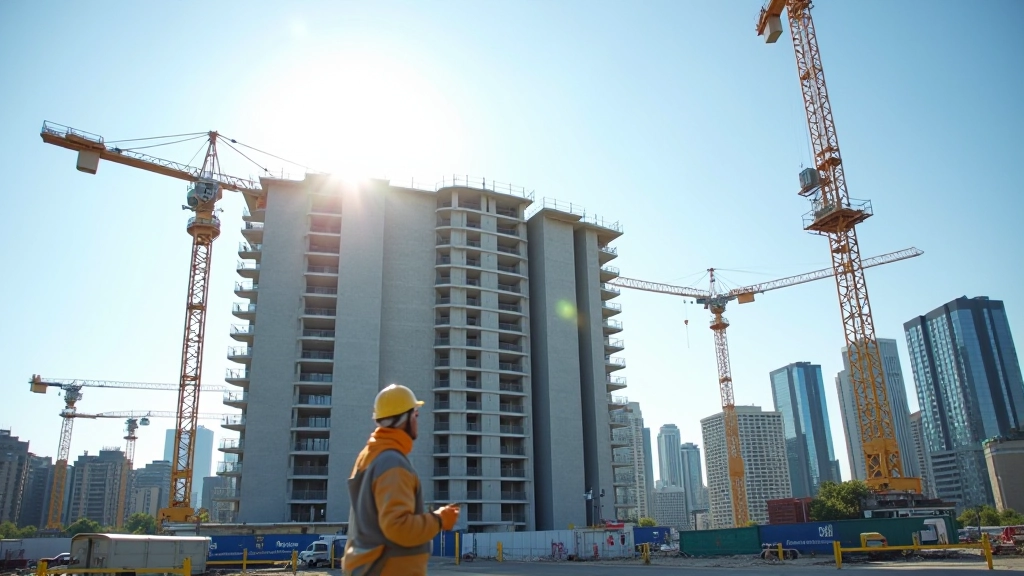
Residential construction isn’t just about building homes — it’s a cornerstone of Canada’s economic engine. When developers break ground on new neighborhoods, they’re triggering a cascade of economic activity that ripples through entire industries. From lumber mills to financial services, the housing construction sector connects to nearly every part of the economy.
Over the past decade, residential construction has contributed an average of 5-7% of Canada’s total GDP annually. That’s billions of dollars flowing through the system, supporting jobs, generating tax revenue, and building the physical foundation of our communities. But the real story goes deeper than just those headline numbers.

The Direct Economic Impact
When we talk about GDP contribution, we’re looking at the value of all goods and services produced. Residential construction accounts for roughly $70-80 billion annually in Canada. That includes everything from the actual construction work to the materials, professional services, and equipment rental.
The sector’s size means it’s highly responsive to economic cycles. During growth periods, construction activity accelerates. When the economy slows, housing starts decline. This makes residential construction both a leading indicator and a driver of economic health. In 2024, for example, construction activity remained steady despite broader economic uncertainty, demonstrating the sector’s resilience.
Beyond direct construction spending, there’s the multiplier effect. Workers earning wages on construction sites spend money at local businesses. Material suppliers hire additional staff. Real estate agents, mortgage brokers, and inspectors all benefit from the increased activity. Economists estimate that every dollar spent on residential construction generates an additional $1.50-$2.00 in secondary economic activity.

Employment and Workforce Growth
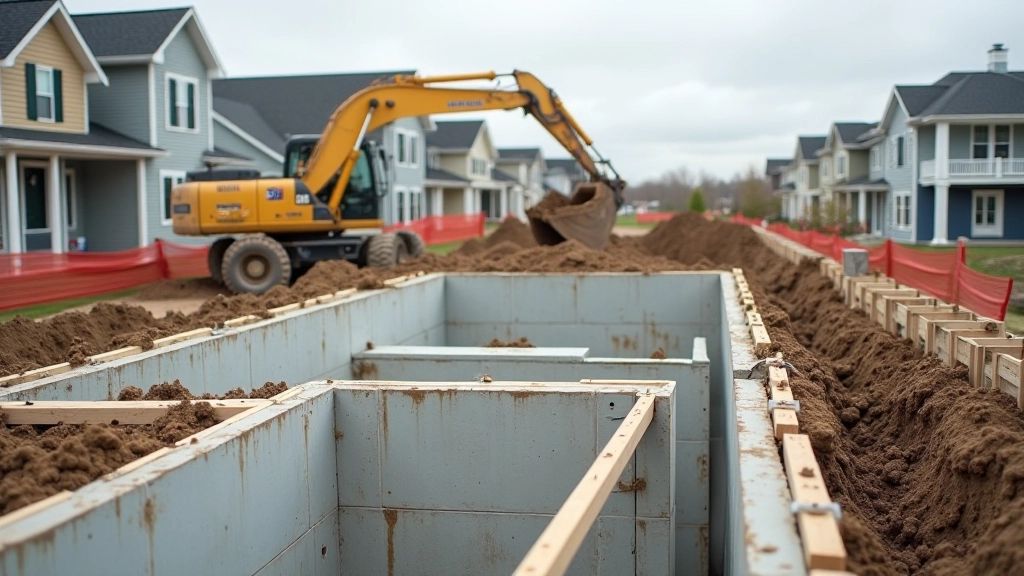
Here’s something that often gets overlooked: residential construction is a major employer. Over 380,000 Canadians work directly in residential construction, with another 200,000+ in supporting industries. That’s nearly 600,000 jobs connected to housing development.
These aren’t all entry-level positions either. The sector needs skilled trades — electricians, plumbers, carpenters, equipment operators — as well as project managers, engineers, and safety coordinators. The average construction worker earns $65,000-$85,000 annually, which is solid middle-class income. For young people without university degrees, construction apprenticeships provide real pathways to financial stability.
When residential construction accelerates, it pulls workers from other industries and creates tight labor markets. This drives wage growth across the construction sector. Conversely, slowdowns can create unemployment challenges in regions dependent on housing development. That’s why housing policy isn’t just about affordability — it’s about economic stability and employment.
The Multiplier Effect: Beyond Construction
Materials & Supplies
Lumber mills, steel producers, concrete suppliers, and manufacturers of building components all see increased demand. These businesses expand production, hire more workers, and purchase more raw materials.
Real Estate Services
Agents, brokers, appraisers, home inspectors, and title companies generate significant revenue from new residential developments. These service professionals spend wages locally, supporting restaurants and retail.
Financial Services
Banks and mortgage lenders generate billions in loan origination and fees. Insurance companies, legal firms, and accounting services all benefit from the increased transaction volume in residential markets.
Infrastructure & Development
New residential areas require roads, utilities, schools, and parks. Municipal and provincial governments invest in infrastructure, creating additional construction contracts and economic stimulus.
How CMHC Tracks Housing’s Economic Contribution
Canada Mortgage and Housing Corporation (CMHC) plays a critical role in monitoring residential construction’s economic impact. Their data shows construction starts, completions, and housing inventory — all essential metrics for understanding where the sector’s headed. When CMHC reports increased housing starts, it signals upcoming economic activity.
The organization’s housing assessment reports examine regional variations in construction demand. Some provinces experience booming residential development while others face stagnation. These regional differences matter tremendously for local economies. Ontario and British Columbia, for instance, consistently account for roughly 50% of Canada’s residential construction activity, meaning their housing markets significantly influence national GDP growth.
CMHC also evaluates affordability metrics that influence construction demand. When housing affordability deteriorates, fewer people can qualify for mortgages, reducing demand for new units. This creates a feedback loop: reduced demand means fewer construction starts, less employment, and lower GDP contribution. That’s why understanding CMHC’s assessments helps predict economic trends.

Regional Variations and Economic Significance
Residential construction’s contribution to GDP isn’t uniform across Canada. Regional economies have different levels of dependence on housing development. Calgary and Edmonton, for example, have experienced significant residential construction booms driven by in-migration and economic growth. These cities see residential construction accounting for 6-8% of local economic output, compared to the national average of 5-7%.
Atlantic Canada presents a different picture. Smaller populations and slower migration mean less residential construction activity. However, when major projects like waterfront redevelopment occur, they can meaningfully impact local economies. A single large residential complex might employ hundreds of workers for 18-24 months, generating significant local spending and tax revenue.
The prairies rely more heavily on residential construction during economic upswings. When resource sectors boom, migration increases and housing demand surges. The reverse is also true — resource downturns quickly reduce construction activity. This cyclical nature makes prairie economies particularly sensitive to housing market fluctuations, demonstrating just how critical residential construction is to overall economic health.

Current Challenges to Growth
Several factors currently constrain residential construction’s contribution to GDP. Labor shortages rank at the top — skilled trades workers are increasingly difficult to find, and training pipelines haven’t kept pace with demand. Material costs have also become more volatile, making project planning uncertain.
Regulatory Delays
Municipal approval processes can stretch 12-18 months, postponing construction starts and delaying economic benefits. Streamlining approvals would accelerate housing development and GDP contribution.
Financing Constraints
Higher interest rates reduce mortgage demand and increase construction financing costs. Developers become more cautious about new projects, slowing residential construction activity.
Supply Chain Disruptions
Global supply chain issues continue affecting material availability and pricing. Delays in receiving components can halt construction progress and increase project costs significantly.
Affordability Pressures
High home prices reduce demand for new units. Fewer buyers means lower construction starts, directly impacting the sector’s ability to contribute to economic growth.
The Bottom Line: Construction Drives Prosperity
Residential construction’s impact on Canada’s GDP extends far beyond the value of homes built. It’s an economic multiplier that creates jobs, generates government revenue, and supports hundreds of interconnected industries. When residential construction thrives, the entire economy benefits.
The sector contributed approximately $80 billion to Canada’s economy in 2024, supporting nearly 600,000 jobs directly and indirectly. Every percentage point increase in housing starts can add billions to annual GDP and create tens of thousands of new jobs. Understanding this connection helps explain why housing policy matters so much to economic planners.
Looking ahead, addressing current challenges — labor shortages, regulatory bottlenecks, and financing constraints — could unlock substantial economic growth. By supporting residential construction, Canada can simultaneously tackle housing affordability, reduce unemployment, and strengthen overall economic performance. The homes we build today aren’t just shelter; they’re investments in tomorrow’s prosperity.
Want to explore related topics about Canada’s housing market and economic impact?
Explore Housing Market ResourcesInformational Disclaimer
This article provides educational information about residential construction’s contribution to Canada’s GDP. The data and analysis presented reflect publicly available information from sources like Statistics Canada, CMHC, and industry reports. Economic data changes regularly, and regional variations are significant. Individual circumstances vary considerably. For specific investment decisions, financial planning, or property development projects, consult with qualified professionals including economists, financial advisors, real estate agents, and legal counsel. This content is intended to inform understanding of economic concepts, not provide specific advice or guarantees about future outcomes.
Related Articles